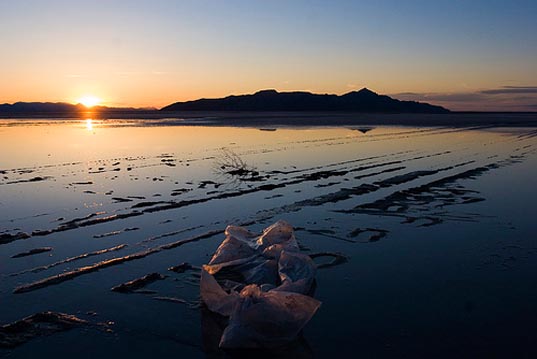
The age old question now has a different connotation. Your grocery baggers aren't just asking you paper or plastic, they are asking you whether or not you want to help the environment by using less plastic.
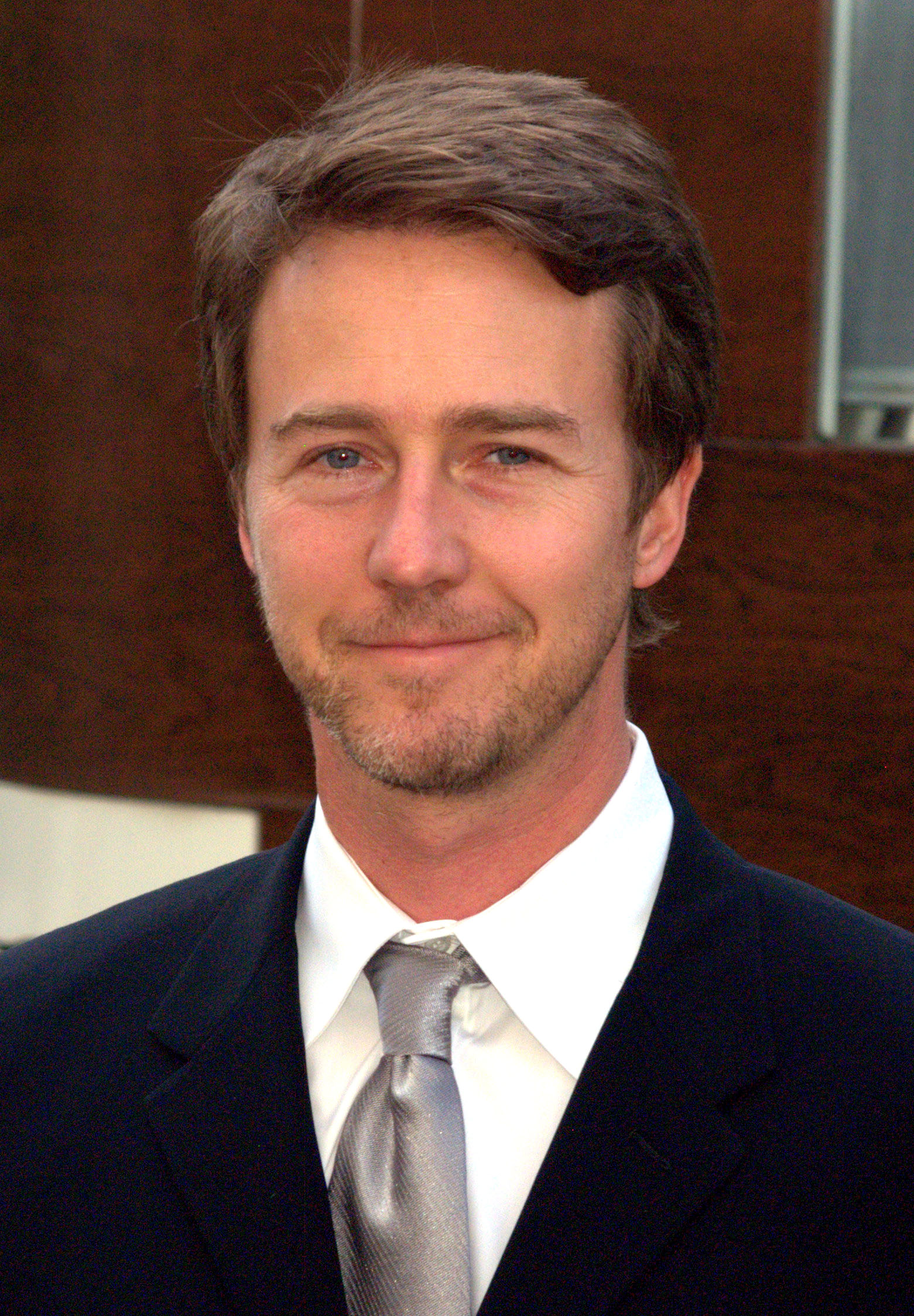 This film produced by National Geographic is their political message to the world to stop using plastic bags in order to decrease environmental waste for the future. Edward Norton not only attracts viewers by being an actor, starring in films from Fight Club, Kingdom of Heaven, and The Illusionist, and by being a well-known activist he provides the video with a credible testimony.
Edward Norton tells his audience that there are more than 500 billion plastic bags used worldwide per year, and that most of these biodegrade. On top of this information, he states that there are parts of the Pacific Ocean that have more pieces of plastic than food. This scientific evidence is combined with photos of suffering animals to increase the emotional transfer on the viewer to realize the horrors of plastic.


According to Britannica Encyclopedia, plastic bags are a danger to everyone. Resembling krill in size, whales accidentally swallow hundreds of thousands of plastic every year, slowly killing themselves; birds strangle themselves with plastic, and "In November 2008 in Australia, a 10-foot-long crocodile tagged as part of a government wildlife-tracking program turned up dead, having consumed 25 plastic shopping and garbage bags." This needs to stop!
Countries all over the world are currently supporting this campaign by banning bags, including places like China, Australia, South Africa, Rwanda, Kenya, Somalia, Taiwan, and Bhutan. Not only are countries banning plastic bags but cities including San Francisco, Mumbai, Zanzibar, and Boston. Different countries have found ways to ban and reduce the use of plastic bags. Many cities have stopped selling plastic bags but some countries like Ireland, and South Africa have placed a tax added to anyone's bill who uses plastic over alternative choices. Chin
 a's Hong Kong has estimated to use 27 million plastic bags a day in 2001, and since then has put in efforts of reducing this. Even the US will take off 5 cents if you bring in your own bag.
B.Y.O.B. is a humorous tactic used in the video, saying that people should consider bringing their own bags. Now, everywhere you go cheap, reusable bags are sold from Hannafords, Whole Foods, to Target, Walmart, and T.J.Maxx. By making reusable bags available to the public, this campaign to stop using plastic bags has become a personal shift. The video supplies its audience with the idea of bringing your own bags, and the US government is making this easy.
Although this video does many effective things to persuade and captivates its audience, such as stimulating both my neocortex and limbic systems through background music and the information presented, it uses the technique of Simple Solution. The film tells us to stop using bags and bring our own to the store, but it doesn't tell us how they plan on fixing what is already in distribution among the planet. I tried finding information but all I came across were numbers stating only 12% of of bags were actually recycled, and that we can reuse the plastic bags we currently have. I want to know what happens to those plastic bags.
There are already plastic bags. If we stop using them, what's to happen to the ones in existence? Can we increase our recycling habits? Will they be destroyed in order to not harm the animals, the environment, and the planet?
Media Meditation #3


No comments:
Post a Comment